How We Decide What to Buy
July 18, 2026 · 2,538 days to go
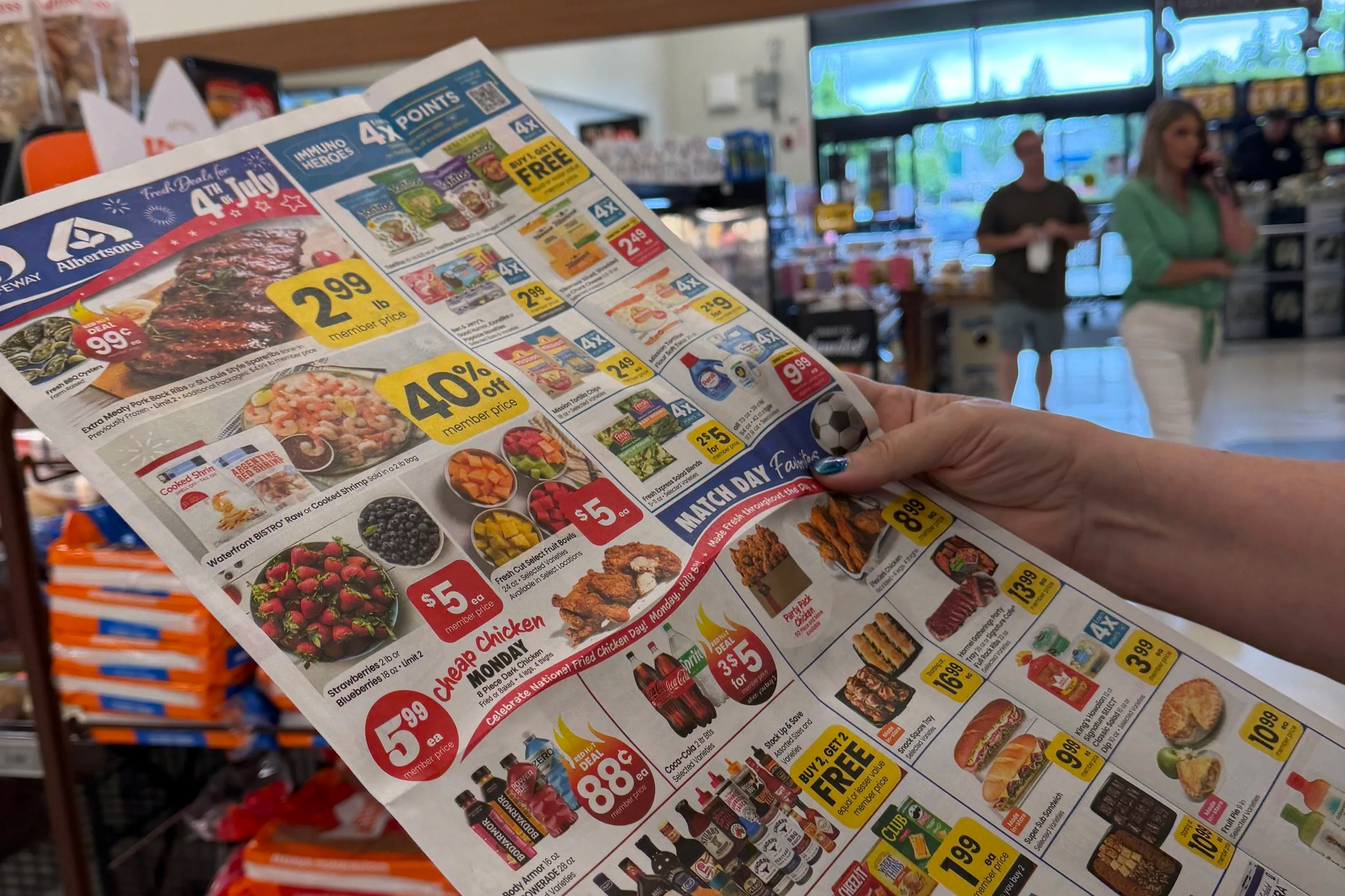
Before Jeff and I ever run our weekend errands, we sit down, review the sales ads, and make a list. We go through what we've used up, what needs replacing, what the week actually calls for. It sounds small. It isn't. That list is the first decision in a whole chain of decisions, and it's the one that makes everything after it easier.
Once something's actually in front of us, we weigh it the same way every time. Is it a need? If it's a need, that's it, we buy it, no negotiation required. But if it's a want, we ask what that want actually does for us. Does it save time? Save money? Make life more comfortable? What does it cost, really, not just at the register. Then we sit on it for a while before we decide
Jeff comes at it a little differently, and I've come to appreciate the split. His side of conscious buying is more about the recurring stuff, groceries, dog food, laundry soap, the weekly and monthly things you buy because you've already decided you need them, based on what's actually running low. Between the two of us, that covers both ends of it, the planned recurring purchases and the case-by-case wants.
None of that means we don't still buy things on a whim sometimes. We do. Birthday gifts, a good deal we didn't see coming, we still enjoy the fruits of our labor. The difference isn't that we never act on impulse, it's that we do it less often, and we both have to agree when we do. Every impulse buy comes with a quiet second question sitting behind it: what are we willing to give up in exchange for saying yes to this one.
Reading the ads before we shop, not after
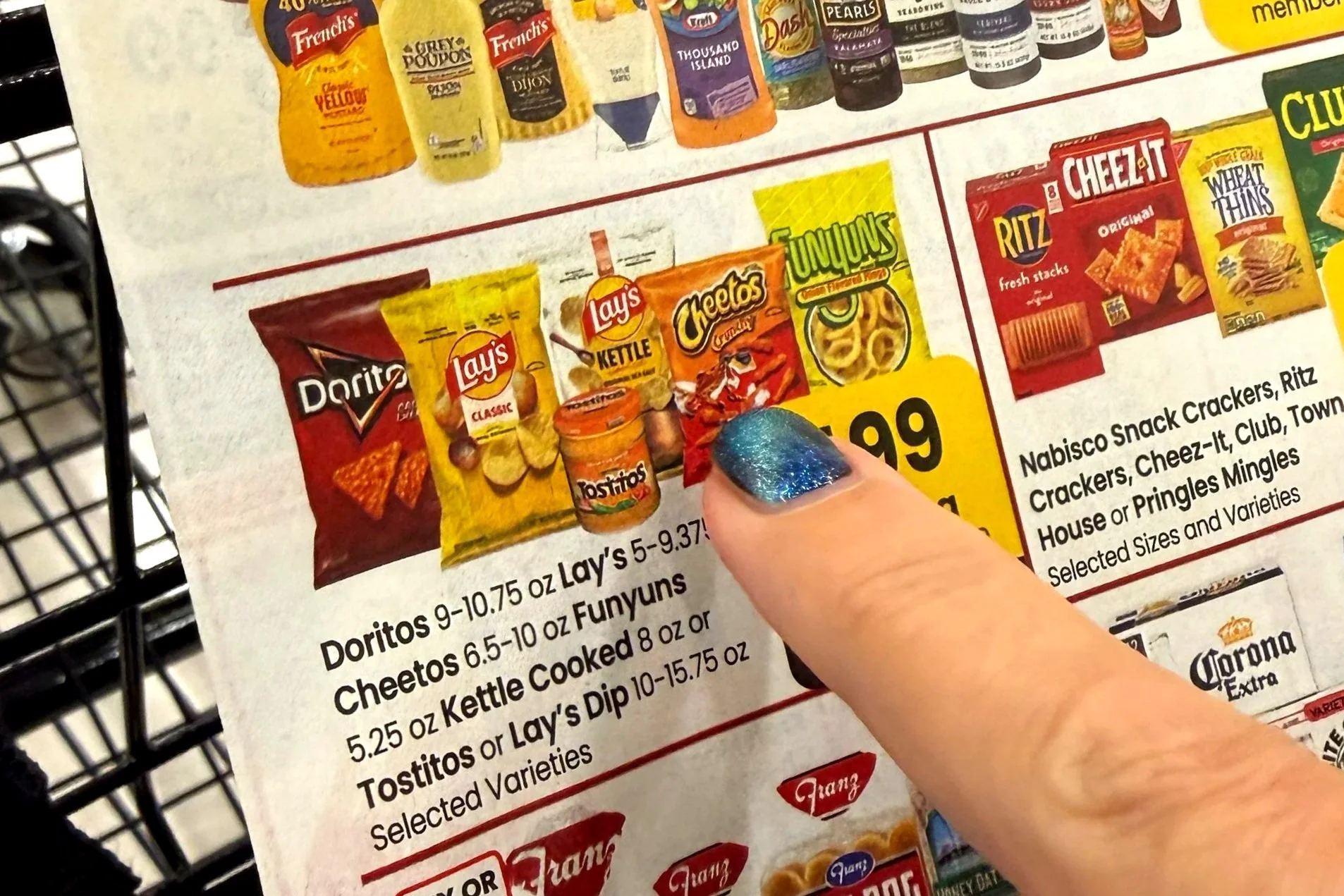
At the grocery store specifically, we're conscious of unit price almost automatically at this point, pennies here and there add up to real money off the bill over a month. Some of that goes back to the extreme couponing years, learning to read sales ads and actually understand sales cycles, when something's likely to be cheap and when it isn't, and not falling for the layout tricks stores use to get you to spend more than you planned. We go in with a purpose. Still, I'll be honest about the reality of grocery shopping: things fall in the cart. Not on the list, not planned, just an impulse buy or a craving in the moment. We keep it to a minimum, but I don't pretend it doesn't happen. And when our granddaughter Sofia is with us, that rule loosens considerably, and neither of us minds.
Jeff's version of the same discipline is simpler: know why you're buying something before you buy it. Is it on the meal plan? Is it for an actual occasion? If it doesn't have a purpose, it doesn't go in the cart. He doesn't enjoy shopping as an activity, in with a list, out as fast as possible, and that in itself saves money. Between his rule and mine, we've landed on the same conclusion from two different directions: neither of us treats shopping as a hobby. It's a task, done with purpose.
$6.29 saved, on purpose
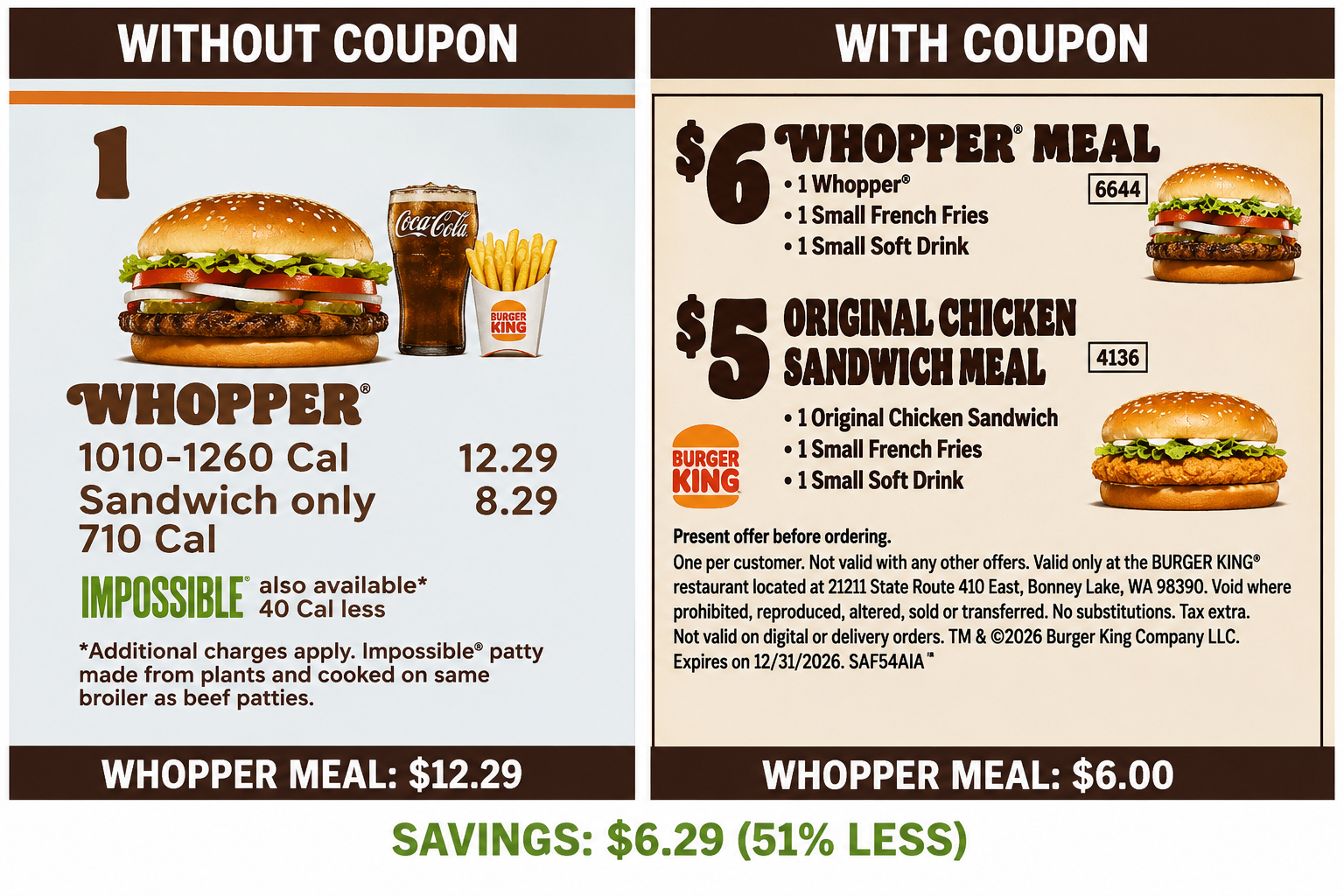
This isn't just a grocery habit either. We still watch for deals everywhere, including fast food, where a coupon can turn a $12.29 meal into a $6 one, half off, without giving up the meal itself. That's actually the only reason we went to Burger King that day, we wouldn't have gone at all without the coupon. Eating out is a luxury for us, not a habit, and it's one we genuinely can't afford very often. Even when we do treat ourselves, we're still cautious about it. It's the same instinct as the sale flyer, just applied somewhere most people don't think to look.
We had a moment recently that says more about this than any rule we could write down. We stopped for a quick bite at McDonald's, ordered off the value menu, and while we were in line, watched someone pick up a three-bag order for a delivery app. We looked at each other and just couldn't understand it, not because we can't afford fries, but because we're choosing the value menu on purpose, and someone else was paying a premium for the same basic thing without a second thought. Every time I see something like that, it solidifies what we're doing. Neither of us would make that choice. Our dreams are too big to give up over being too lazy to drive somewhere or order more than we actually need. We just look at each other and know we're on track.
That's really what conscious buying has become for us, not a strict system we force ourselves through, but a habit of pausing long enough to ask why, on the small stuff and the big stuff both. It's not always easy. It got a lot more important about two years ago when Jeff was laid off and we were living on one income for a while, every dime had to be accounted for, and we still refused to give up the travel habit, even when it meant a smaller trip instead of no trip at all. That's the real test of a habit like this, whether it holds up when the money gets tighter, not just when things are easy.
