The Summer Vacations That Cost Us
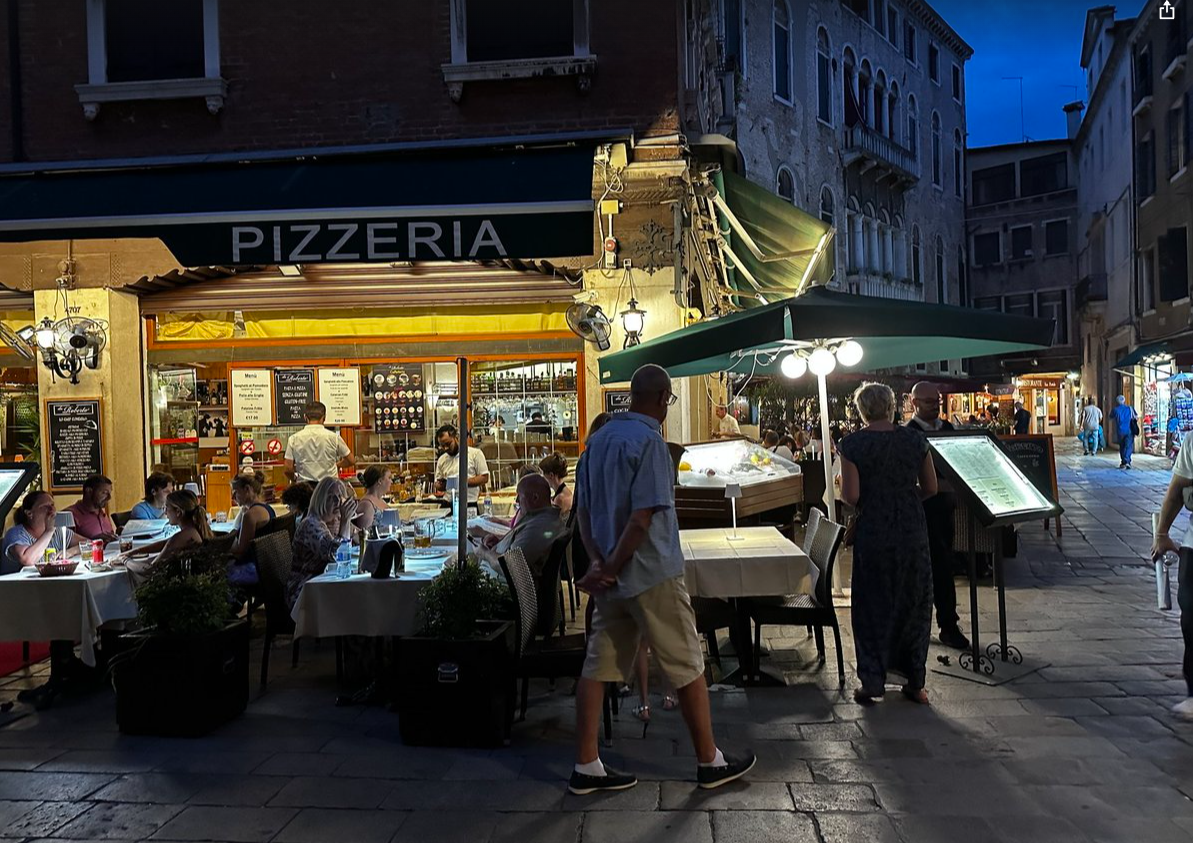
Even at 9:30 at night, the bricks were still radiating the day's heat, fans running just to make outdoor dining bearable.
August 7, 2026 · 2,518 days to go
Since 2015, when I graduated college and started teaching, we haven't picked when we traveled. The school calendar did. Summer, winter break, Thanksgiving, spring break, those were the only windows we had, so that's where every trip landed, whether the timing made sense or not.
Most of the time, we made it work. But the summer trips in particular made it clear just how much that constraint was actually costing us, not in money, but in the experience we'd paid for.
The worst one was Paris. We had a few days there before a cruise, and the Louvre was the one thing on the list we both actually wanted to see. We waited in the security line for two hours in the middle of summer heat. By the time we got inside, I couldn't tell you what we saw. I remember almost nothing about the art. What I remember is finding the Starbucks inside the museum and sitting in the air conditioning with a cold Frappuccino, completely overheated and completely checked out. We paid for that stop. We planned around it. And the heat took it from us before we ever got past the entrance.
Rome did something similar to us, just slower. The streets there are lined with old brick and stone, and all of it holds heat. By evening, when we'd normally want to walk somewhere for dinner, the whole city still felt like an oven. Even after the sun went down, walking to a restaurant felt like walking into one. It wasn't a single bad afternoon like Paris. It was every evening, for the length of the trip.
Cancun and Tulum were the same story with a different backdrop. We'd gone specifically to see the Mayan ruins, and July heat made it almost impossible to enjoy being outside long enough to actually take them in. We made the most of it, because that's what you do. But "making the most of it" isn't the same as it going well.
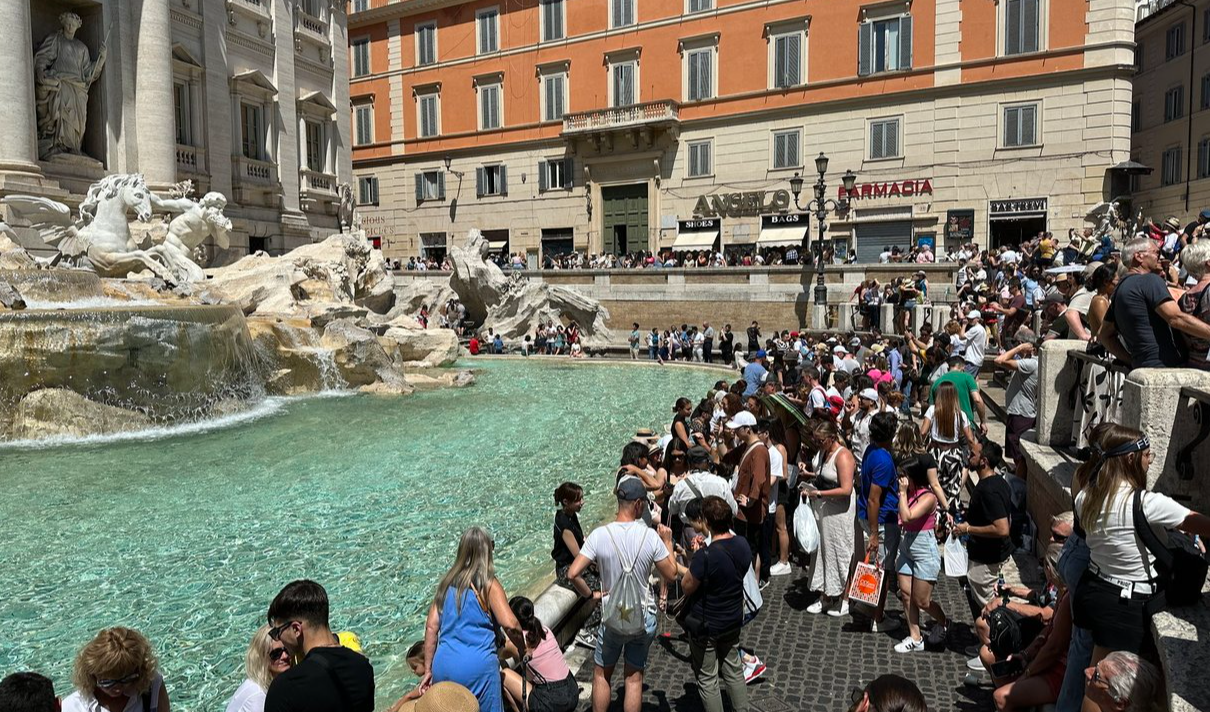
Rome in summer isn't just hot, it's crowded like this at nearly every major site, this one from the 2023 trip with the Sieben family.
Japan hit the same wall. July was the only month available, and temperatures sat in the 90s for most of the trip. It wasn't one bad day, it was the entire visit, the same pattern as Rome, just somewhere else.
Not every version of this problem was about heat, though. Egypt was a winter break trip, which meant it had to fit inside a fixed two-week window with zero flexibility. There was no picking a better month or shifting by a week if something didn't line up, the whole trip had to work perfectly within those fourteen days or not happen at all. That's a different cost than heat, but it's the same root problem: the calendar decided the terms, not us.
Jeff sees this a little differently than I do, and it's worth saying so instead of pretending we experienced it the same way. His read is that we just worked around the constraint every time, and in his mind, that's simply what you do when school breaks are the only option. Mine is closer to what I've written here: that the constraint had a real cost, even when we still had a good trip overall. Neither one of us is wrong. We were solving the same problem from different angles the whole time.
Here's why this matters for anyone reading this who's still working, whatever your version of a school calendar happens to be. If your travel window has always been decided for you, it's worth asking honestly what that's actually cost you, not just in missed destinations, but in the ones you did visit and didn't get to enjoy the way you'd hoped. That's not a reason for regret. It's useful information. It tells you exactly what changes the day that constraint lifts.
And it's not just comfort we're giving up by traveling on someone else's schedule. Every trip we've ever taken has landed during peak travel rates, because school breaks are peak travel rates. Retirement travel means shoulder season becomes an option instead of a fantasy, and shoulder season isn't just cooler and less crowded, it's cheaper. That's not a small detail for a plan built on paying for every trip in full before we go.
For us, it means we're already building a list of trips that only work outside of summer, places we've wanted to see but never could, precisely because the timing never lined up before. Northern Lights. Tulip season in Holland. A winter trip to Australia and New Zealand. None of these were ever really options before. Now they're the whole point.
We didn't waste the trips we took. We just didn't get to choose when we took them. That's the difference retirement travel planning actually makes, and it's a bigger one than most people think about until they've lived the alternative.
